

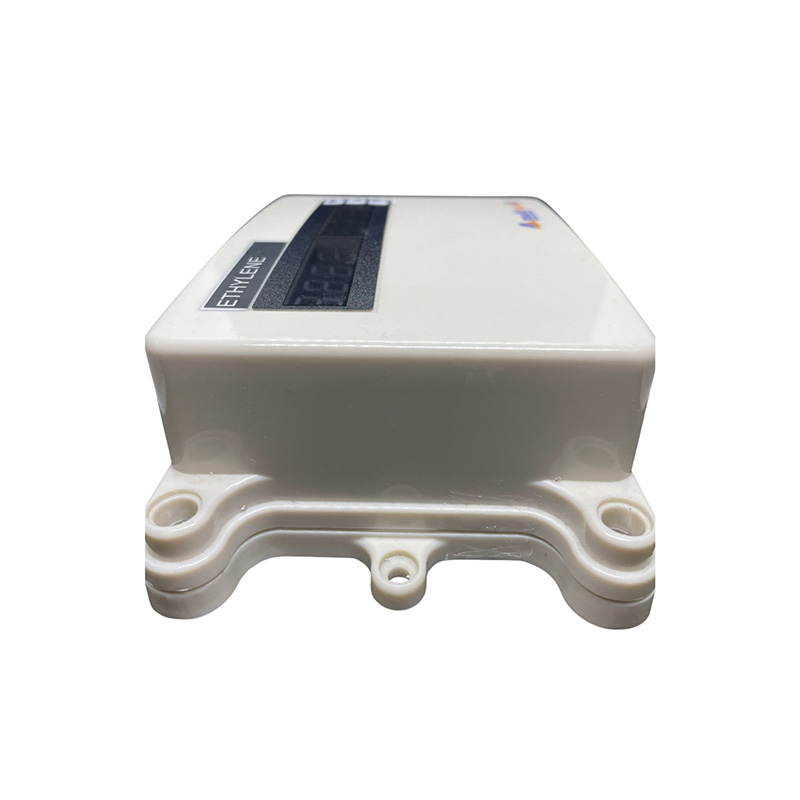
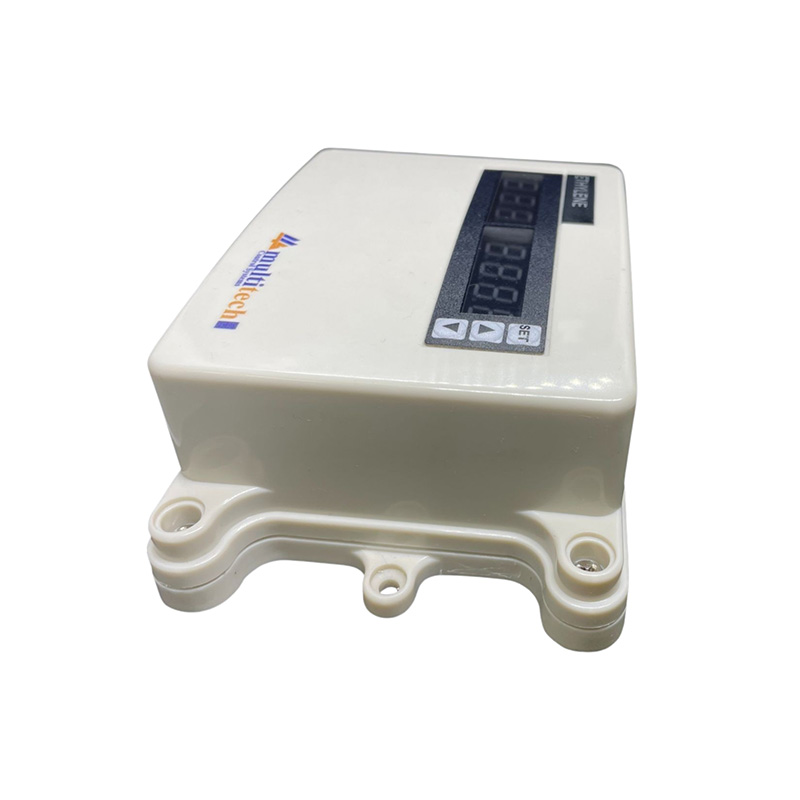
Ethylene transmitters are commonly used in agricultural and horticultural applications to monitor the ethylene levels in fruit storage facilities, greenhouses, and other growing environments. By monitoring ethylene levels, growers can optimize fruit ripening, reduce spoilage, and improve crop yields. They can also be used in research settings to study the effects of ethylene on plant growth and development.
The GSE-3.0 Gas transmitter is a device that is designed to detect ethylene gas in the air with high sensitivity. It can detect concentrations of ethylene gas as low as 20 parts per million (ppm) in the air, making it an ideal tool for monitoring ethylene levels in fruit cold storage environments.
| Parameters | Description |
| Detection Gas | C2H4 (Ethylene) |
| Display | Digital Display 7 Segment |
| Detection Range | 0-1500 ppm |
| Sensor Type | Semi –Conductor |
| Sensitivity | 0.04 +/- 0.012 uA/ppm |
| Cross Sensitivity with other gases than target gas | Methane , Carbon- monoxide Isobutene ,n-Hexane Benzene Ethanol, Acetone |
| Filter | Filtering Sox, NOx and H2S |
| Resolution | 50 ppm |
| Temperature Range | -15°C to 50°C |
| Pressure Range | Standard atmosphere +/- 10% |
| Response Time (T90) | <50s |
| Humidity Range | 15%-90% RH |
| Power Supply | 18-24 Vdc( reverse polarity protected) |
| Power consumption | Semiconductor sensor: 35mA, max. 0.85 VA |
| Output | Proportional, 4 – 20 mA, load ≤ 500 ? overload |
- Ethylene transmitters detect and provide real-time measurements of ethylene gas levels in the environment.
- They are utilized in various industries, including agriculture, food storage, and horticulture.
- The transmitters incorporate specialized sensors designed for accurate ethylene gas detection.
- Some ethylene transmitters may include a display for easy access to current ethylene gas readings.
- Additional features can include data logging, alarm notifications, and compatibility with control systems.
Click here for download :


